• Skip to primary navigation
  • Skip to main content

Napa Private Tours | Curated Napa Valley Wine Tours

Private, curated Napa Valley wine country tours and luxury transportation

  • Home
  • Services
  • About Us
  • Stay With Us
  • Blog
  • Partners
  • Store
  • Contact Us
You are here: Home / Archives for Vineyards

Vineyards

Tyler, TX, We are Bringing Napa to You

by nptadmin on 2021-12-10 in Filed Under: Gifts from Napa, Vineyards, Wine Pairings, Wine Tasting

How about you join us for Happy Hour at Villa Montez ? We plan to be there on December 16th and 17th 2021 Starting at five in the afternoon and hanging out with new and old friends until we run out of wine and stories.
We love traditions, and going to Tyler and spending time with each of you has become an almost yearly pilgrimage that fills our heart with happiness. Our goal is to introduce you to some of the finest Napa Wineries Our hope is to help you become a well-rounded wine aficionado. We want to sit by your side and help you discover what it is that makes a wine special and discern your personal preferences.

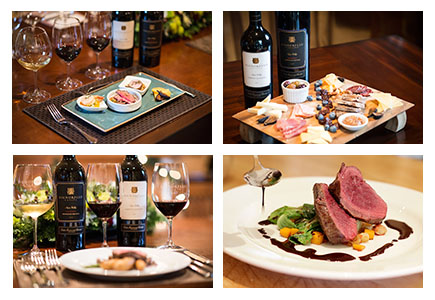
On Thursday we will have a selection of carefully curated Napa wines that are not normally featured in 1836’s wine list. Some are so rare, we will only offer them by the glass. You will also have the opportunity to purchase bottles normally only available by allocation. This is your chance to stock up for Christmas and impress your friends with wines that are absolutely not available at your local wine purveyor.

Mundo tells me he has asked chef to craft off-menu small bites that will absolutely enhance the wines we have selected for you and yours.

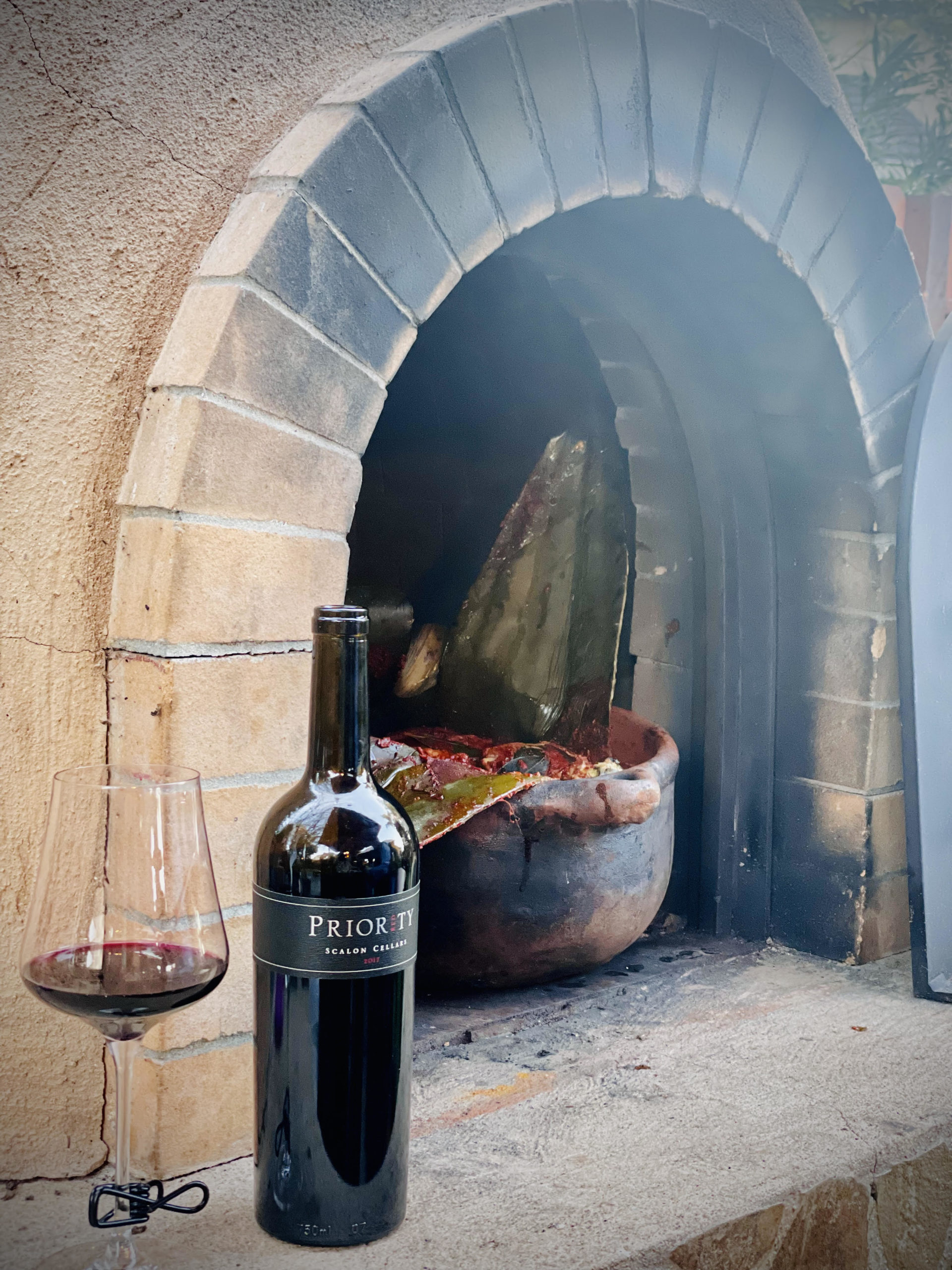
On Friday we will focus our time and energy in helping you become familiar with the wines offered by Scalon Cellars.

Scalon Cellars is very dear to us and has consistency offered beautiful wines guided by the expert hand of winemaker Julien Fayard. Suffice it to say that Julien is an icon in the winemaking industry.

You will have the opportunity to purchase wine by the glass, by the bottle or we can help you join as a member to have exclusive access to limited releases.

So, leave the office early, grab a friend or two and join us for one evening or both. No need to dress fancy, you will be among friends.

We can’t wait to see you. If you plan to enjoy dinner following happy hour we encourage you to book a reservation. The holidays are around the corner and things are crazy. You can call 903-592-9696 The Montez Brothers will do whatever it takes to make you feel at home.

See you soon,

Javier & Javier
Tagged With: #Happy Hour, #Luxury Wine Tours, #Tyler TX, #Wine Collectors, #Wine Tours in Napa Leave a Comment

Wine and Organic Labeling: Everything You Need to Know

by nptadmin on 2015-10-12 in Filed Under: Vineyards

Organic Wine in Napa

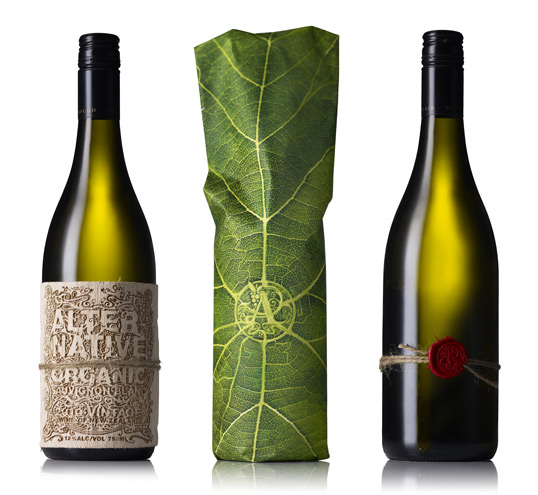
Once you become a wine drinker, you’re immediately bombarded with a ton of terminology. Add to the list a growing interest in organic labeling and there’s even MORE to sort through! There are wines that have been certified organic, wines made with organic grapes, conventional wines, biodynamic wines…it can start to get confusing. Luckily, we’re here to help clarify the differences among the many wine making methods out there so that you can make informed purchases.

There’s more to your bottle of vino than meets the eye!

Did you know that creating your favorite glass of Merlot involved a whole heck of a lot more than just grapes? Oftentimes yeast is used to aid in the fermentation process. Typically this yeast is native (or local) when found in an organically labeled wine. Sugars can also be added, including those naturally occurring and extracted from the grapes themselves. Conventional wines occasionally contain residual pesticides, added preservatives, coloring, or mouth-feel agents. A variety of ingredients can be used in production to speed up, slow down, and otherwise direct the laborious process of turning grapes into your favorite wine.
However, if that wine has received the U.S. Department of Agriculture organic certification, it’s production was strictly regulated and never contains synthetic additives. Synthetic herbicides and pesticides are strictly prohibited if a wine is to pass the USDA’s organic certification qualifications. Any kind of pesticide determined harmful, not just to people but the environment as a whole, is not allowed in any stage of the production process. Whereas wine that is made with organically-grown grapes can include some additives, like sulfites, which are typically used as stabilizers and help the wine last longer. Because sulfites are naturally found on the skin of grapes, all wine contains at least SOME sulfites but adding more can be beneficial for preservation purposes.
Let’s delve deeper into the descriptions and differences of two “organic” methods and philosophies of wine making.

USDA Certified Organic Wine

In order to be certified organic under the USDA National Organic Program, grapes must be grown, handled and processed in accordance with consistent national standards. Wine receives this label from the USDA when the entire production cycle, from grape to glass, occurs in a manner which conserves biodiversity, supports ecological balance and utilizes the purest ingredients.
Those growers and producers responsible for creating USDA certified organic wine must acquire passing marks on a certification inspection every single year. USDA inspectors check to make sure the following rules are upheld– No chemical herbicides or synthetic pesticides can be used. Adding sulfites is prohibited. Genetically modified organisms (or GMO’s) are never present.

Wine Made With Organic Grapes

This category of wine will be clearly marked on the label as “Made With Organic Grapes.” Meaning, the grapes found within were grown organically and the production of the wine itself was in accordance with National Organic Program standards. Much like USDA Organic wine, no chemical pesticides or herbicides are allowed in the production. However, unlike organic wine, sulfites MAY be added (up to 100 parts per million). There are also a variety of processing additives which are approved for use by the National Organic Program. Commonly used additives include tannins, pectolytic enzymes, oak chips, and acadia gum. Native yeasts are often used but are not a set standard.
It’s important to note, some producers seek out certification for their grapes from state agencies, such as the California Certified Organic Farmers. These winemakers will not have “Made with Organic Grapes” on their wine labels, however the standards they uphold are exceedingly similar. Keep an eye out for the CCOF mark when purchasing California wines if organic grape growth is an important asset to you!
Now, keep in mind that organic labeling does not equate better or lower quality. A great wine is all about flavor nuances and body. Organic is just one part of the equation when it comes to achieving a superior wine.
If you value organic practices we have curated a number of local Napa and Sonoma wineries that you must add to your next wine tour itinerary. Please mention this preference to your wine concierge and he or she will make sure your experience includes industry leaders in organic practices. Want to do a little exploring on your own? Try this nifty app from Organically Napa.

Leave a Comment

Why You Should Add Cabernet Franc to Your Private Cellar

by nptadmin on 2015-09-24 in Filed Under: Vineyards

Cabernet Frank Pairings

A Small Grape With a Big Punch

Cabernet Franc is one of the most notable black grape varieties in the world. While it is usually grown for blending, like in Cabernet Sauvignon and Merlot, it can also be fermented by itself, as is the case with Loire’s Chinon. You may also see this diminutive blue-black grape made into ice wine in the United States and Canada.

You’ll find Cabernet Franc to be lighter than similar varieties. It’s a bright pale red in hue and tastes rather intricate, some even characterizing a glass as a “refined delicacy”. Blends featuring more robust grapes will carry a peppery perfume. Other growing regions and styles will produce aromas such as; cassis, violets, raspberry, bell peppers, and tobacco.

The first records of Cabernet Franc appearing in Bordeaux date all the way back to the 18th century, although wine historians believe it was harvested in and around Loire long before then. Much later, botanists would perform DNA analysis on these particular vines and find Cabernet Franc to be one of two “parent plants” for many sought-after blends, like Merlot.

Ultimately, Cabernet Franc is thought by many to have been established in the southwest of France in the 17th century, transported to the Loire valley by Cardinal Richelieu by way of vine cuttings. An abbot then planted these cuttings at the Abbey of Bourgueil and watched them flourish. As a result, plantings of Cabernet Franc were found throughout St Emilion, Fronsac and Pomerol by the 18th century. And they were producing wonderful wines! As popularity grew throughout the 18th and 19th centuries, more and more people began to distinguish similarities between Cabernet Franc and another popular wine of the time period, Cabernet Sauvignon. Theories began to pop up about their biological relationship. But it wasn’t until 1997 when DNA evidence would emerge, proving the familial connection–Cabernet Franc crossed with Sauvignon Blanc to create Cabernet Sauvignon.

Love Cabernet Sauvignon? Franc May Just Be The Right Fit

As a result, Cabernet Franc strongly resembles Cabernet Sauvignon. However, Cabernet Franc buds and ripens earlier than its relatives, allowing it to thrive in cooler climes. In fact, vineyards in Bordeaux will often plant Cabernet Franc as a sort of insurance policy in case of bad weather close to harvest time that could potentially damage their Cabernet Sauvignon.The plant itself is characterized by a strong and vertical trunk with dark, 5-lobed leaves. The grapes grow in long bunches; each berry small and supple, tinged blue-black, and sporting a thin skin.

Sauvignon Hoarders Rejoice!

If you find yourself hoarding bottle after bottle of Cabernet Sauvignon in your wine cellar, picking up a bottle of Cabernet Franc will provide you a magnificently tasting alternative. Cab Franc, as you’ll learn to lovingly call it, shares many aroma and phenolic compounds with your tried and true Cabernet Sauvignon. Meaning? If you enjoy a glass of one you’re bound to be similarly titillated by a taste of the other. If you enjoy the richness and intensity of Cabernet Sauvignon but want to experience a pour with more fruity and floral notes, Cab Franc can carry wafts of violets, raspberries, and blackcurrants. Moreover, with less tannins and a smoother mouthfeel than Cabernet Sauvignon, it’s sure to go down a treat.

Want The Best Cab Francs? We Can Help

Our concierges are hard at work identifying the best sources in Napa to enhance your wine collection with beautiful Cab Francs’. If you want to schedule a dedicated wine buying tour specific to this varietal we are ready to help

Feeling convinced? If you’re looking to add a bottle or two to your collection, Sinegal Estate Winery in St. Helena, CA and Signorello Winery in Napa, CA are both wonderful sources for Cabernet Franc.

Feeling inclined to explore? Here is a list with the top ten Cabernet Francs in California with our favorite being Melka.

*Image credit: Our friends at Signorello.


Leave a Comment

How Does the Drought Affect Wine Production in Napa?

by nptadmin on 2015-06-04 in Filed Under: Vineyards

We are glad you asked! While some of our favorite guests are dealing with the aftermath of torrential record-breaking rains in Texas and Oklahoma here at home we continue to struggle with drought. Changes to global temperature are expected to affect wine regions by creating microclimates that are production-friendly in areas where grape-growing was never before possible. This also means that for us in Napa the challenge to irrigate our beautiful vines continues to increase as we hope for timely rain to arrive to our beautiful and agriculturally gifted valley. Let me share a few bullets highlighting how the drought is likely to affect wine quality and wine quantity and what our wineries are doing to help their vines produce sufficient yield to create the wines that make Napa so very special.

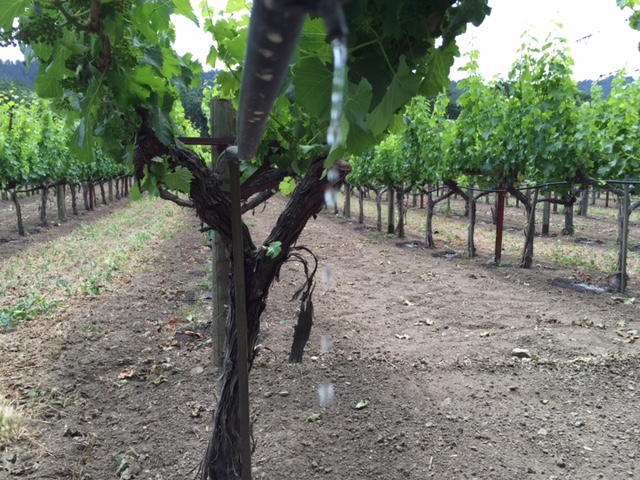
Drip Irrigation in Napa

Yield

There is a direct correlation between the amount of water a vine receives and the yield. To put it simply 80% less water equals 80% less fruit.

Productivity

Small producers of low priced wines are likely to suffer the most, wine producers generating bottles that cost $7 or below will significantly retract production due to high cost of irrigation. Larger wine producers seldom bottle estate wine and instead resort to grapes purchased from large growers who have implemented sophisticated irrigation programs that help minimize the negative effects of the drought

Water Allocation Reductions

The number is almost surreal. Many wine producers are left with 20% of their normal irrigation allocation. To be clear, grapes are quite drought tolerant and older vines will go down deeply into the ground looking for water but without rain to flush the soil the salinity level will increase eventually killing the vines.

Warmer Weather Means Sweeter Wines

Warm and dry conditions result in early ripening of the grapes which in turn sweetens the fruit. A sweeter grape provides the wine maker with unique opportunities to create interesting and flavorful wines that may yield very high prices in the market.


Irrigation Technology Comes to The Rescue

Many wineries have implemented sensors connected to computers that track the dryness of the soil and the plant and trigger drip-style irrigation facilitating maximum utilization of the resources available. Improved efficiencies in water usage promise to buy time and possibly allow some wine producers to survive until the rain returns.

Revised Expectations

For grape producers, particularly in a visitor-heavy area like Napa is tempting to want to create vineyards that are extremely appealing to the eye. Learning that a vine does not necessarily need to be a display of green and lushness is a must for all wine producers. Revised expectations will result in increased savings and additional water resources to be able to irrigate more vines.


Wine demand remains in the rise and everyone here in Napa is working diligently to deliver the best wines possible by combining their expertise, with their passion and embracing new technologies. If you are curious to visit wineries whose conservation efforts are state-of-the art give our Concierge Cynthia a call. She will help you schedule a wine tour that introduces you to some of the most impressive water conservation initiatives in Napa.


Leave a Comment

The Art & Science of Pruning The Vine

by nptadmin on 2015-03-10 in Filed Under: Vineyards

Pruning the Vine

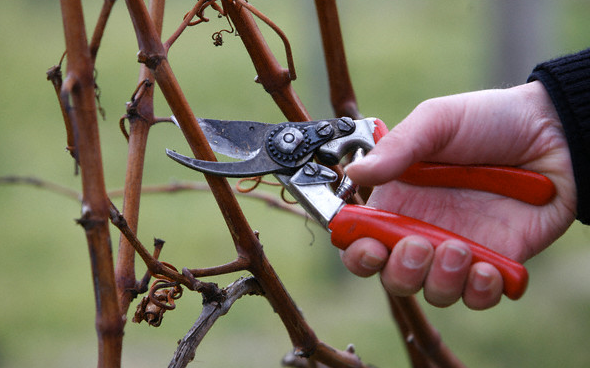
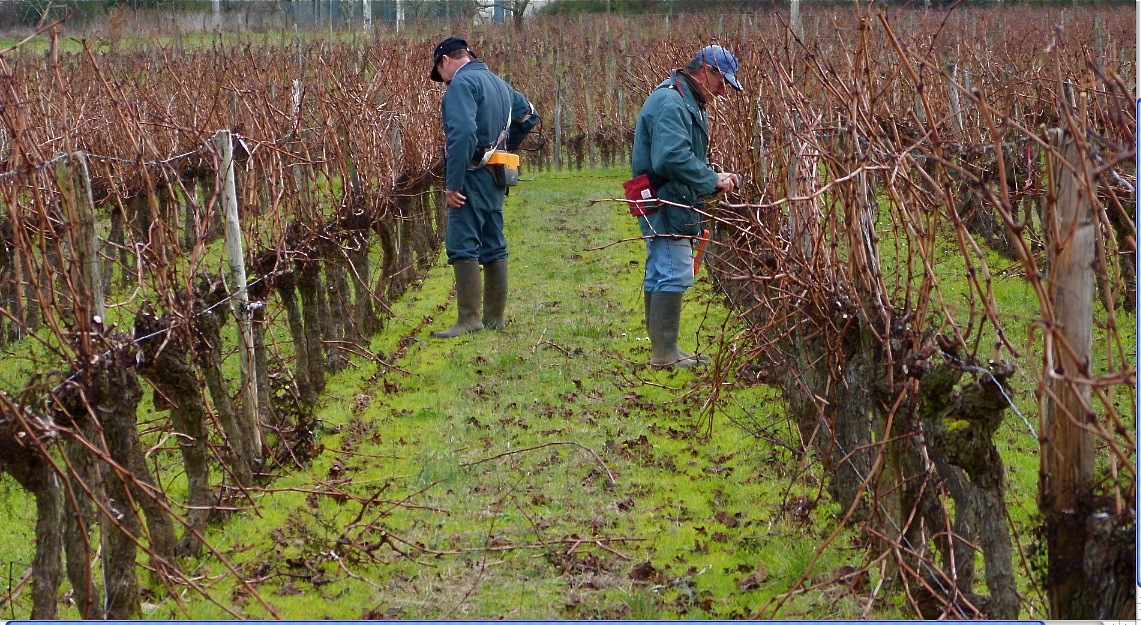
The grapevine is a climbing plant that originally grew in trees. Left to its own devices, it tends to grow horizontally, because the first buds to burst are generally the ones at the very end of the cane tips. The vines should therefore always be pruned, to counter the tendency of rampant growth; otherwise, it weakens the structure of the plant—the vine becomes fragile, difficult to tend, and unable to bear high-quality fruit.
If the vines are not pruned, then the risk of fungal diseases also rises significantly. More and more buds sprout, and the number of shoots and bunches of grapes increases. The shoots get thinner, the grapes get smaller, and quality can suffer considerably as a result.

Budbreak
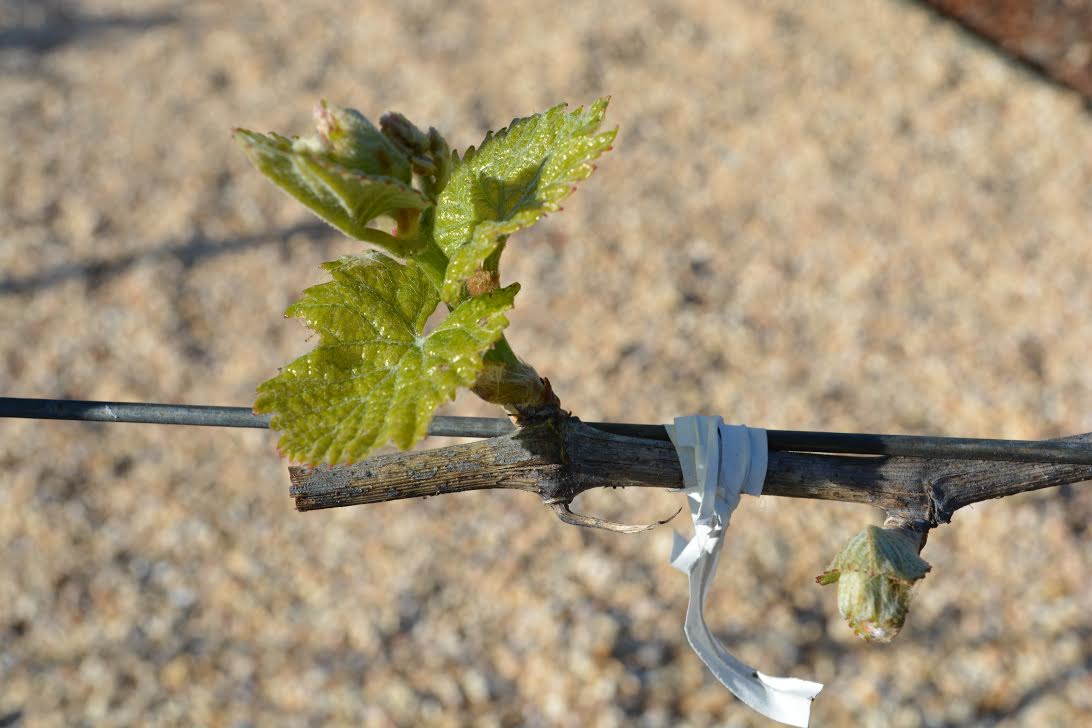
Pruning influences both the quantity and quality of the yield, by determining how many buds are allowed to remain on the vine. Each bud puts forth a shoot, which in turn bears up to three bunches of grapes. The level of productivity depends on the vine variety and on the location of the buds on the stock.
If the crop is large, then there may be too many bunches for the vine’s ability to photosynthesize. This results in an unfavorable leaf-to-fruit ratio and makes it difficult for the grapes to ripen. In addition, because the grapes are given priority access to nutrients, the vine itself is weakened, as it cannot build up much in the way of reserves. By contrast, if too few buds remain on the vine, then the plant does not have a sufficient outlet for its growth capabilities. Plant growth may be vigorous (with thick shoots), but the fruit crop will be insignificant. This makes no improvement to the quality of the grapes, but simply leads to a reduction in yield and income.

Early Prunning
The art of vine pruning lies in finding the ideal compromise for an optimal crop. The general balance of the vine must be taken into account, to avoid an overly dense curtain of foliage. It is also important to limit the number of cuts made to the vine, because these are the entry points for diseases affecting the wood.
The timing of pruning influences the timing of budding. The experienced winegrower will prune as late as possible. Here, in Napa, pruning usually starts in February, but some wineries don’t prune until March. One thing is certain, however: it is vital to wait until all the leaves have fallen and the sap has retreated, because only then will the plant have finished storing up the reserves that will see it through winter and start growth again in spring. In Napa, where we have frost, it is advisable to delay budding for as long as possible. Consequently, sites at risk from late frost are the last to be pruned. Cane pruning is preferred in such areas because the buds on the ends of the canes are the first to burst, while the others do not come to life until somewhat later.
Pruning takes a long time, and if the wood is thick, it can be difficult and strenuous work. We thank the field workers for their hard work and commitment to high-quality product.
Although pruning partially determines future yield size, it is not an exact science. Numerous factors influence the fruitfulness of a particular bud, the success of flowering, and the other stages of the growth phase. If it becomes clear, after flowering, that the crop is too large, then individual flowerheads and bunches can always be removed at that point.

We invite you to join us in Napa where we will make every effort to give you a well-rounded perspective of what it takes to produce some of the best wines in the world.

Cheers!

Jona Mendoza Fabiani

Wine Coach

EDIT: Thanks to our friends at Young Inglewood Vineyards, here’s video from this spring’s pruning, courtesy of Mark Simon. Enjoy!

1 Comment

  • Page 1
  • Page 2
  • Go to Next Page »

Napa Private Tours

1052 Shetler Avenue, Napa, CA 94559

tel: +1 707.815.9256

TCP 28246


Copyright © 2026 · Napa Private Tours. All Rights Reserved.